Blog

Three Sisters

Royal Exchange Theatre

By Rashdash

After Chekhov

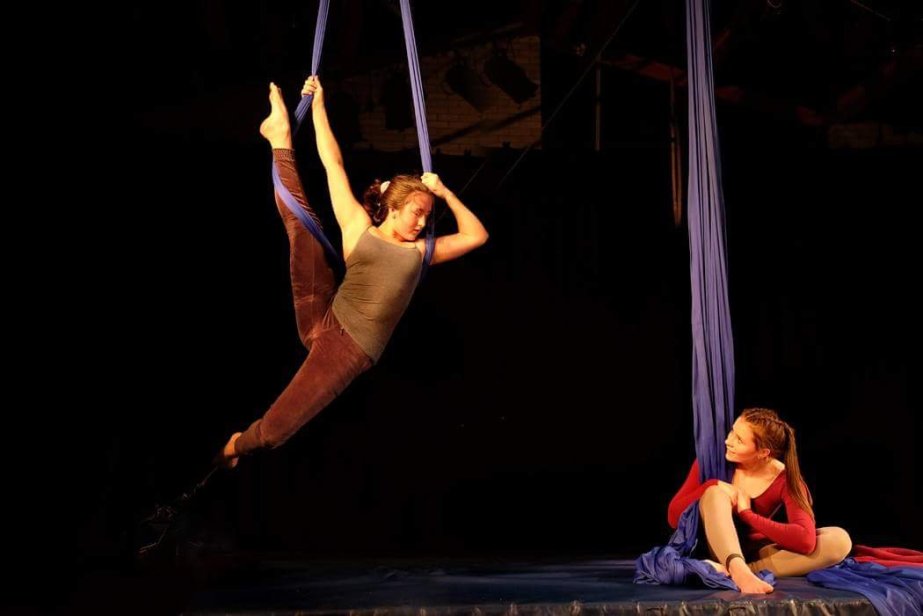
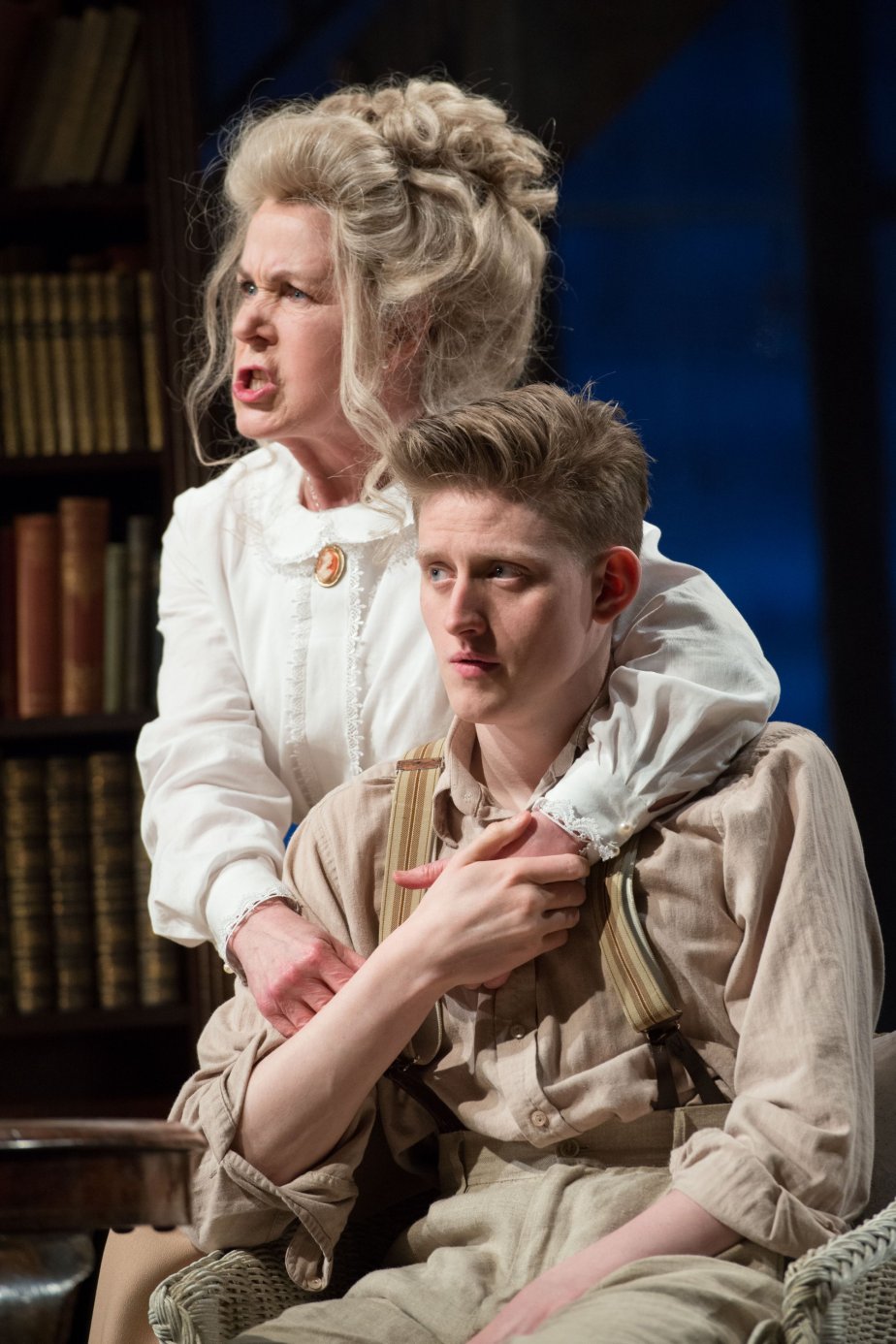
Three Sisters is the latest show from multi-award winning Rashdash and is co-produced with the Royal Exchange Theatre with whom they are Associate Artists. This is a gutsy and vibrant challenging of the narrative conventions of the classics in theatre. In taking a play by Chekhov and experimenting with the form Rashdash are exploring who the classics are aimed at. Do they still have a relevance in theatre today? Who gets what from them and in what’s ways can we alter them to continue to get something powerful and enduring from them?

Why do the men in this play have all of the lines?

Rashdash rip up the script, burn the frumpy black dresses, bare their maidenly breasts, crank up the volume on the piano and add some strings and drums. This is Chekhov in a mash up with Vivienne Westwood and The Slits. This is sexy, vibrant, caustic and clever. Packing a hefty feminist punch and some serious theatrical clout while also remaining playful and whimsical, Three Sisters is truly a thing of joy from start to finish.

These three sisters are not muted and still. They are not passive Barbie dolls but are Action girls in crinolines. There are no sepia tones to this production, instead there is a kaleidoscope of colour. There are frequent moments where tableau scenes are staged then fractured and fragmented as the performers hold up a prism to see women as so much more than pliable, passive vessels to be moulded by male writers into their version of womanhood. These women are messy, imperfect, funny, clever and complex. They have mastered social media as well as the piano. They are cultured and educated with their own opinions, and can also cry in a supermarket and “dance it out” like they’re on Greys Anatomy. They own their own bodies and wear whatever they choose, if they strip off on stage it is their decision and has a function rather than being sexualised. They wear comfy knickers, will massage their perineums with olive oil to avoid tearing in childbirth and will rail against the passage of time as a slow, slow bastard cunt!

Performance is meshed with music,song and movement so there is always a sense of flux and change. Even in moments where there is a static snapshot of stillness there will be music or the movement of a statue or the TICKTOCK digital display flashing. Nothing stays the same. The scenes are constantly shifting as the pile of disguarded clothing gets bigger as if to say plays like bodies can be dressed or styled in an endless array of guises. The nod to Shakespeare in some of the fashion choices is a witty reminder of just how many of our classic plays were written by men and are now being revisited from a female perspective- most recently Othello at Liverpool’s Everyman.

Rashdash are all accomplished musicians and with the addition of Chloe Rianna on drums and Yoon-Ji Kim on violin and synth, they move through a range of styles from classical to trippy, punk and blues. The soundscape is as varied as the costumes and the women on stage. Olga Helen Goalen, Masha Abbi Greenland and Irena Becky Willie all sing, and they all deliver whether alluding to mainstream pop Adele and Katy Perry or spitting out a punk lyric or belting out a torch song. The lyrics are mercilessly clever, and often wickedly funny. All three deliver strong performances that have an essence of each sister.

This production works across enough levels to be a success whether you know the original or not. A Chekhov aficionado will get the references to their mother’s broken clock or the spinning top given to Irena. They will see the irony of Olga idly wishing she was more able to do something about homelessness when of course the sisters are about to lose their family home. Whereas fresh eyes see a topical issue being raised that they have probably walked past on their way to the theatre. The haze of smoke alludes to the nearby town on fire but could just as easily refer to Grenfell Towers. Masha can be a modern woman dealing with heartbreak by swiping Tinder or a sister in an unhappy marriage seeking solace within an army garrison.

Moments on stage such as Masha reading out multiple reviews of the original play or being literally squashed by volumes of the classics poke fun at our obsession with the relative safety of tradition in theatre while reminding us of the need for joyfully subversive new works. Rashdash pull back the curtains and fill the stage with fresh air and new opportunities. Three Sisters can challenge existing lovers of the classics and bring new vibrant audiences to look at established works. The Royal Exchange Theatre is currently also showing The Cherry Orchard on it’s main stage. Like a beautifully deconstructed cheesecake on Masterchef Three Sisters is a brilliant take on the original classic.

Royal Exchange Theatre, Manchester 3rd -19th May

The Yard, London 22 May – 9 June

Tobacco Factory, Bristol 12 -16 June

Images by Richard Davenport

Dollywould

HOME

By Louise Mothersole and Rebecca Biscuit

Where are they?? What’s wrong? The set is shrouded in grubby white sheets and there is no sign of the girls. The clock is ticking, the theatre is rammed and anticipation is rife. We fucking love Sh!t Theatre! Moments later they hit the stage and the particular bedlam that is Dollywould is underway. This is their follow up show to the hugely successful Letters To Windsor House. There is a notable shift from local to global issues as they ramp up the madness and move from fringe performance to as they cheerfully say mainstream crossover show. Thankfully when Mothersole and Biscuit say mainstream it involves painting their faces chalk- white, donning some fearsome wigs and swigging Mateus Rosé from bottles. The result is cheerfully reassuring as they end up looking just like their idol Dolly Parton. Well if you imagine Ms Parton being cloned together with some sheep, Marie Antoinette and a couple of crack whores. We fucking love Sh!t Theatre.

This new show focuses on some big issues – death and immortality , genetic cloning and brand merchandising, friendship and Dolly Parton’ s hits and tits. Dollywould is messy, boozy, sharply clever and always endearing. Watching the performance feels like sprawling on the couch watching your best mates roll in from the pub on a Friday night having dreamed up some madcap, genius concept and keen to share it before they pass out or throw up.

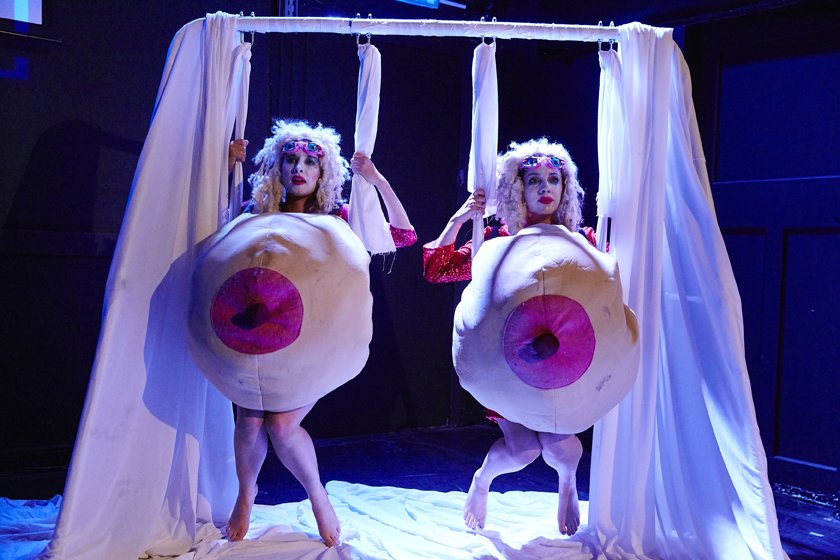
They use their trademark mixture of song, projection images and film and hard-core indepth research coupled with mimicry, a double swing, balloons and bodybags and giant inflatable boobs plus lots of kissing and hugging. What is “real” authentic and “real” fake? Is Dolly the infamously cloned sheep as real as any other sheep? Is Dolly Parton the butt of a joke about big hair and boobs or a woman in control of a carefully crafted brand? Regardless of how they alter their image on stage both women remain resolutely real with body hair, real breasts and filmed evidence that they both poo and wee but don’t seem to flush.

Dollywould is based on their trip to Dollywood last year and the discovery that Knoxville is also home to a research facility locally known as The Tennessee Bodyfarm as it studies decomposition. The premise behind their research visit is sound and the neat ways they use to link in the cloning of Dolly the sheep ensure that lots of ideas are thrown out for consideration. As each performance they do will be a clone of the original, just like Dolly on tour or at a Dolly lookalike competition or future Dolly sheep from the same mammary cells. In each case the same but different just like the projected images stretching out on the screen behind Becca and Louise.

Perhaps at the very heart of this show is the warmth and connection between the performers. In Letters To Windsor House they were painfully open about the cracks in their relationship and there was palpable tensions on stage. The research trip to Dollywood feels like a road trip back to friendship and camaraderie. When they speak of Dolly Parton and her longterm companion Judy and their rift and reunion it seems to resonate. As they say on several occasions It was chaos, but they’re fine now. They are never more connected than when they actually merge to become a gigantic pair of quite literally swinging boobs. Moments when they speak in unison but one deliberately fluffs their line is a reminder of the recurring theme each the same, but different. In the show they reflect on being nearly 30, thankfully they seem to be finding a way to navigate maintaining their individual identities while preserving the magic that is Sh!t Theatre.

HOME 3-5 May

Othello

Everyman, Liverpool

Written by William Shakespeare

Directed by Gemma Bodinetz

In this new production of Othello the past and present collide. A hand-embroidered hankerchief and a smartphone symbolise our human need to love and be loved, to accept and be accepted; and the destructive power of betrayal and fake news. Director Gemma Bodinetz and the repertory company at the Everyman have produced an Othello that is absolutely fresh and timeless. There is no sense of the frustration of a 400 year old play being shoehorned to appease or entice a modern audience. It just works from start to finish. The much heralded casting of Golda Rosheuvel as a female Othello is both exciting and intriguing. However this becomes at times almost irrevelant as it is the emotional depth and intensity of her performance that stand out as the most pertinert aspects of this casting choice.

Golda Rosheuvel is Othello as an army General that is female, black and gay. She is successful, respected and courageous. It could have been so obvious to play her Othello as a butch lesbian with a crew cut and and a jutting jaw. Instead we see a strong, intelligent woman who has the quiet certainty of being in love and feeling loved. She is not large in physical stature and is womanly whether in battle fatigues or a simple flowing gown. She is measured and reflective in all areas of her life until confronted by Iago whose thwarted ambition and jealous vilification of others conspire to destroy her faith in love and honour.

Patrick Brennan is undeniably effective as the charming manipulator dripping his poison with all the reasonableness and solicitation of a corrupt politician at a General Election. His Iago is odious as he reveals his plans to the audience and truly terrifying in his own certainty regarding his actions. He is the epitome of the reasonable white man hellbent on obliterating anyone who is “other”, as he moves around the stage spitting honeyed venom like Trump on Twitter.

Cerith Flinn plays Cassio as a taut, muscled squaddie with a heart of gold whether fighting honourably on the battlefied, carousing with a bottle in hand or wooing the winsome Bianca – a delightfully comedic Leah Gould. His Cassio is a fitting replacement for Othello as a young soldier with a pure heart and good intentions.

Emily Hughes performance is fresh and vivid. She combines girlish delicacy and youth with gritty determination to seek out fairness and equality for others. She is fair and beautiful but her character is what really defines why Othello loves her. She loved me for the dangers I had passed, And I loved her that she did pity them.

The swift unravelling of Othello’s calm reason into jealous, vengeful rage might seem at odds with this professional soldier and loving wife. Iago has broken the implicit trust essential between comrades on the battlefield and partners in a happy marriage. The result is a tortured woman stricken with epilepsy and deep emotional trauma. A modern take on this might well be an Othello suffering from PTSD (post-traumatic stress disorder) who is battle scarred and reacting to new trauma with paranoia, dissociative seizures and the hyperarousal of murderous rage.

The final scenes played out in a floaty, white gauze bedchamber are gut wrenchingly poignant. This gossamer veil highlights the ephemeral nature of life and gives a dreamlike softness to both the brutality and the tenderness of the murder scene. Such betrayal and heartbreak plays out and the emotional struggle for Othello is palpable. Even knowing the end of this 400 year old play, expectations feel suspended as if on a heartbeat the outcome might still go either way.

At pivotal points the audience are spotlit by powerful searchlights or the beam of a single torch. On reflection it feels like an invitation by Shakespeare and also by Bodinetz to look at ourselves and those around us and reflect on what we see. Perhaps there is an invitation to start accepting ourselves- regardless of gender or ethnicity as all being capable of strong and powerful emotions. That does not have to be dangerous when we recognise they can make us protective, nurturing parents, successful and happy in our relationships and productive in our work. It is only when we use labels to divide and diminish that we lessen ourselves and our humanity. Like Othello – male, female or gender neutral we are perfectly imperfect. No more and never any less.

OTHELLO Sat 28 April to Tues 10th July

Images by Jonathon Keenan

The Cherry Orchard

royal exchange theatre - harry oliver (grisha) - the cherry orchard-1848559962..jpgRoyal Exchange Theatre

By Anton Chekhov

Translation by Rory Mullarkey

Directed by Michael Boyd

Rory Mullarkey and Michael Boyd are the first Russian speaking Translator/Director team to pool their skills and mutual love of Chekhov to create a new British translation of The Cherry Orchard since Michael Frayn in the Eighties. The result is a success that retains and celebrates the comedic elements while also balancing the tragedy and loss from the past with the fears and hopes of a dawning new age. Little actually happens in this play but it is always engrossing as obvious outcomes and solutions are evaded in favour of unsolved problems and enigmas. Chekhov was a doctor as well as a writer and in this, his last play there are acute observations of the human condition but no diagnosis.

The most striking element of Tom Piper’s design for this production is the starkness of the set. Apart from a few falling blossoms the audience are left to imagine the lush white blooms in an orchard that is the one remarkable thing in this entire province. The once grand house is also left to the imagination as the set is a huge expanse of bare wooden floor, a single chair an occasional table and a hundred year old bookcase. The wooden floor dominates as if it hints at what will become of the soon to be felled cherry trees. It is like a blank canvas awaiting a fresh start having probably been stripped of its plush furnishings to meet the mounting debts. When Uncle Leonid makes an impassioned speech to the bookcase it is both ridiculous and poignant as it represents the grandeur of a fast diminishing lifestyle.

Despite the bareness of the stage this is a production that is full of imagery and references to colour. The orchard is the white of Lyubov’s girlish summer gown, the white of torn up telegrams, and old money. The white of a ghostly balloon moon and of innocence and purity. The blacks and greys of duty, servility and squashed hope is there in Firs’ uniform and Vavara’s drab clothing. The cherry pink of Lyubov’s velvet dress is the pink of ripened sexuality and the cherry jam of yesteryear. The yellow gold of Lopakhin’s polished shoes alluding to the brassy nature of new money. The casting choices also make a provocative colour statement about history of slaves/serfs and masters. All the family in the house are white actors while the staff or children of serfs are all actors from other ethnicities. Emma Cains also cleverly uses the trajectory of the costumes styling to reflect the move from the past towards a new age and new freedoms.

There are some especially strong performances with Kirsty Bushell as Madame Lyubov deftly portraying the fragility of a woman seared by grief whose party girl approach to heartache keeps her constantly on the move like a beautiful butterfly. This is a woman whose husband died of champagne while her little son Grisha drowned on the estate a mere six months later. Seemingly careless and insouciant she flirts and flits around giving out gold to strangers when she is about to lose her family home. If kisses were roubles this family would be debt free. At moments when her gaiety fractures Bushell is raw with tangible pain. The scene where Grisha is on the chaise longue beautifully captures the fractures in Lyubov’s life -a mother mourning at her son’s funeral wake bleeds into a riotous house party. Rosy McEwen as the disappointed and disillusioned Vavara is as pale and luminous as the haunting moon. The restraint and delicacy of her performance is beautifully balanced as she yearns to be both a wife and a nun. Jude Owusu as Lopakhin is a seamless blend of arrogant new money and success with hints of an awkward lovelorn son of a serf. A self made man who is rightly proud of his achievements yet is tongue tied and paralyzed to speak his feelings.

The threads of the past, present and future are ever present. Ancient butler Firs can only remember the past but will be the last living soul in this house. The child haunts the house in timeless fashion observing everything silently. New love affairs begin, old ones may start again and some remain as simply frustrated yearnings. Chekhov throws up possibilities like blossom petals and this production casts them up in the air with real love and delicacy.

Royal Exchange Theatre 19 April-19th May

Images Seamus Ryan

TRIAL

1524832536505568187288757734791.jpg

Site specific – Bolton Grand Council Chamber.

Part of Reveal 18

Written by Rosina Carbone, Nisa Cole, Sarah McDonald Hughes and Eve Steele

Directed by Martyn Gibbons

Monkeywood Theatre in association with the Octagon Theatre, Bolton

I am a liar. We run, down the steps, past the celebration, past the crowds. He is not guilty and I am a liar.

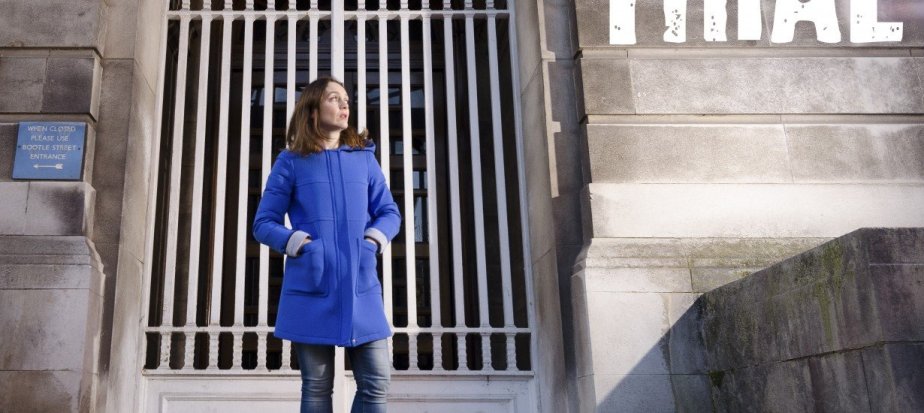
Bolton Grand Council chamber was once an actual courtroom. Sitting in this space feels alien, slightly scary like maybe I’ve done something wrong. An authoritative voice says “All Rise” and so Trial starts with four women in a courtroom performing a verbatim piece that is the framework for this new piece by Monkeywood Theatre. Chillingly the words we hear are transcripts from an actual court case about the historical grooming and sexual abuse of young girls. Interspersed through the transcript are 4 original pieces written and performed by the 4 actresses on stage. They share a common theme, highlighting women on trial in the courtroom and in society – women’s experience of being disbelieved, discounted, shamed and vilified.

This is a strong and powerful piece which conveys its #MeToo message eloquently and is at times incredibly poignant, hauntingly sad and is at all times a strong statement that change must come in our legal system and our Society. The verbatim pieces are perhaps the weak link in this piece but that is most likely due to how they struggle to flow, undoubtedly hindered by the information rescinded to protect the individuals involved. However it remains a searing indictment of our legal system and its treatment of women on the witness stand in sexual assault cases. A study by the CPS (Criminal Prosecution Service) found in a 17 month period there were with 6000 rape prosecutions and only 35 for false allegations, yet only 6% of complaints resulted in convictions.

Astral Twin by Rosina Carbone is a two hander highlighting the callous and vicious bullying and systematic shaming of young girls in school. It perfectly describes the in group/ out group mentality in the classroom. How we can all shine and blossom in the warmth of acceptance and friendship but shiver and shrivel when that warmth is removed. Carbone infuses this piece with a poetic flow and evokes some beautiful imagery that creates a vivid snapshot of lost friendships and the unfairness of double standards for girls.

Muck by Nisa Cole is a monologue describing a schoolgirl being groomed by a teacher with a catastrophic outcome for her education and her future. It is a powerfully written and performed – electrifying the space with the brutal unfairness of a vulnerable child discounted and written off because of her background. Cole bring an emotive physicality to this role that is mesmerising and haunts long after the performance ends.

Small Town by Sarah McDonald Hughes describes a young woman who likes a drink and going out with her friends to party and meet boys. Her character is fun loving and carefree until an assault results in rape and a lurid court case. This piece snapshots the double standards for men and women and is an acute observation on the lasting harm of being raped twice over by the assailant and by society. All the positives of loving being a girl and loving family and football are stripped away, leaving only alcohol as a constant comforter and ballast.

Unreliable by Eve Steele brings all 4 women on stage as prisoners going into court to plead their cases or in the case of Steele to be a witness against her uncle in a historic abuse case. This is a women already wounded and irrevocably damaged by her early experiences and therefore somehow unreliable as a witness against her abuser. There is simply no happy ending for some of these women and Steele’s performance crackles and fizzes with the injustice of her situation compares to the regard and protection afforded by society to her abuser.

I saw this piece in development at Reveal17 and it has clearly been a labour of love, tenderness and justifiable outrage. The stories told all ring true and authentic. Working as a psychotherapist I have listened to similar haunting stories and the importance of being heard and really listened to is always tantamount to any path to healing. There has clearly been a lot of work done with women’s support groups so this piece is an important validation for the women in those groups. Trial is a powerful piece that has a lot to say for women for women who are often voiceless. I was slightly surprised to find that the director was a man however men are also affected by assaults to sisters, mothers, partners, daughters, granddaughters and friends. Martin Gibbons has ensured that it is the women in this piece who are clearly heard and remembered.

Part of Reveal 18 until April 28th

Corrido de la Sangre

HOME

The Tiger Lillies

Director Mark Holthusen

Writer Pedar Bjurman

Music and Lyrics Martyn Jacques

The Tiger Lillies have been delighting and possibly revolting audiences for nearly 30 years. This “anarchic Brechtian street opera trio” are Grammy nominated, world class purveyors of unapologetically deviant and defiant shows. Commissioned by HOME, Manchester, Corrido de la Sangre is a vivid, glorious celebration of the rip roaring circus that is the Mexican Day of the Dead. Ruthless and gruesome no one escapes unscathed as this dark and gleeful trio play their twisted tunes.

Three musicians on a stage within a stage, pasted in garish make up and suitably clad to evoke their long dead characters, this corrido band rises from hell to play again and tell the ghastly tale of their demise. From the opening number it is clear that this is no grotesque parody but is a high calibre, darkly anarchic cabaret.

The band are skilled musicians playing a range of instruments from piano and ukulele – Martyn Jacques to upright bass and musical saw – Adrian Stout and Jonas Galland on a range of drums. Martyn Jacques sings with a laconic and dispassionate falsetto that can be pure and sweet or acid sharp and vitriolic. At times it feels like Dave Vanien from The Damned has met Noel Coward in the catacombs and formed some unholy musical alliance with a mariachi band.

The lyrics of each song drive the narrative along with vivid imagery that is not for the mawkish or easily offended. Orphan is sweetly plaintive and poignant, La Bruja mournful and haunting while Scarface is a shocking and visceral description of the ghastly disfiguring of a young women. I bought the soundtrack and I’m still humming along to the bizarrely upbeat Good Doctor and the haunting Borderland.

Visually it is gorgeous. The staging is intimate, and the combination of projections, shadow puppetry and papercut artwork create a constant feeling of wonderment as reveal after reveal alters the staging like a kaleidoscope and creates a sense of the performance being peeled back through the years like Russian dolls unfolding in size. The backdrop gives a sense of the decaying splendour of old Mexico and the ragged holes suggest the disintegration of cloth like flesh from a corpse. The projection of colours and shapes from fiesta lace and flowers to the gold of icons weeping blood to Mexican skies and flames of hell is visually stunning. It evokes the magical realism of Frida Kahlo but with the scale of Diego Rivera folk art murals. Director Mark Holthusen has created a beautiful visual spectacle that pulsates like a vast beautiful beating heart.

As the good doctor says – Once you are in, you can never get out. Leaving the performance at HOME last night I was tempted to ask for a lock in and for the deadly trio to rise again and sing another corrido.

At HOME 20th April – 5th May

Viva

The Tiger Lillies

Images by Jonathon Keenan

A CLOCKWORK ORANGE : A play with music

EVERYMAN

Written by Anthony Burgess

Directed by Nick Bagnall

A few weeks ago I got the opportunity to watch a rehearsal of A Clockwork Orange taking place in The International Anthony Burgess Foundation in Manchester. It was quite fascinating to watch this young repertory company test out ideas and work on songs and choreography with director Nick Bagnall and choreographer Etta Murfitt. It was abundantly clear that this was a project spilling over with fresh juice and with no sign of any element being coldly mechanized. Thankfully this production has reached perfect fruition with its wonderfully, pithy songs and dialogue from Burgess, and excellent full bodied performances from the cast.

The staging looks startlingly simple with its neon lighting and milk white cube structure. Some of the cast are already on stage all clad in white. It is sleek, clean and pure in its sterility. As the music floods in and Alex starts to conduct there is so much beauty on stage it scarcely matters that he is conducting with a flick-knife rather than a baton. In the blink of an eye the floor can open up with options for grand entrances and dramatic or comic exits. Molly Lacey Davies and Jocelyn Meall have designed a set that is deceptively simple but is a treasure trove creating a myriad of moods and settings. The aversion therapy scenes are visually quite stunning. They are visceral and shocking and evoke something akin to Christ on the cross with Alex wearing the dystopian equivalent of a crown of thors as he looks down on the horrors mankind is capable off.

The Everyman Company take on a multitude of characters and breathe life and authenticity into them. There is a bloodied rape victim tied with vivid blue clothesline cord, Deltoid evoking a saturnine Alastair Sims, the writer F.Alexander is bludgeoned and his beloved wife is viciously assaulted. Amongst the brutality there are also moments of vaudevillian humour with little gems of Elvis type lookalikes, puppet wielding government ministers, and allusions to Jimmy Saville wearing a I’m a Pedo medallion and clutching a fat cigar. Alex and his Droogs are relentless in their thirst for life and all of its juice. Nothing in life, bar the music of Beethoven appears to be sacred.

Burgess created an intriguing and provocative hero who is thuggish yet also cultured and intelligent. George Caple brings a freshness and energy to Alex making his character always likable regardless of his monstrous crimes. The scenes during his treatment with the Ludovico Technique are deeply moving and hard to watch. Watching him in those scenes was chilling and reminded me of speaking to prisoners from Park Lane Hospital who went through similar classical conditioning procedures and covert sensitisation for crimes of sexual violence in the 1980s.

Richard Bremmer is always charismatic on stage whether he is threatening as Deltoid, delivering a wonderful ruddy, drunken priest or strolling across stage in a tiny satin robe with a curly pigs tail. Liam Tobin embodies the earnest writer F Alexander, and sings beautifully as he poignantly mourns his wife. Zelina Rebeiro is always engaging and especially so as she transforms into a sulty temptress to haunt a traumatized Alex. Phil Rayner from Young Everyman Playhouse(YEP) has really grown in confidence and created some great comic moments.

Nick Bagnall has honoured this play with music ensuring that the vision Burgess had in 1986 is finally realised on stage. The songs are a gleeful celebration of music hall tradition. The musicality of the lyrics make the Russian/Cockney slang of the Nadsat seem instantly more accessible and reminiscent of the joy of James Joyce’s Ulysses. The use of musician and percussionist Peter Mitchell is inspired and really adds to the look of the piece as well as the sound, in that he evokes all the youth and energy of another Droog.

A Clockwork Orange asks us to look at the power of choice. Is it better be bad of one’s own free will than be good through scientific brainwashing? In a world where we are all at risk of brainwashing through the daily assault of the internet it is vital to be challenged and reminded of how we exercise our own free will. This piece is brutally violent and yet also angelic at times. The cast move around the audience as they come and go, and address us directly at times, even inviting us to applaud the outcome of Alex’s aversion treatment. As we applaud we are of course colluding with the destruction of choice; it is a relief when Alex finally reverts to his old ways and finds his own way to redemption.

Burgess said “I do not like this book as much as others I have written. I have kept it, till recently, in an unopened jar- marmalade, a preserve on a shelf, rather than an orange on a dish.” I hope that he would approve of the vibrant juicy nature of this production.

At Everyman 14 April to 12 July

The International Anthony Burgess Foundation

MINEFIELD

HOME

Written and Directed by Lola Arias

A LIFT production

A leading voice in Argentinean theatre Lola Arias has created something quite extraordinary with Minefield. Bringing together on a stage, six veterans of The Falklands War who do not speak each other’s language and who were facing each other on the battlefield in 1982. This theatrical venture is itself a potential minefield as it is a piece of lived history representing their individual, unique experiences of the war. This is not theatre retelling the history of either a war, a country, or of particular regiments in specific battles but it is a deeply personal sharing of what it is like to live through a war and forever carry the emotional consequences like a permanent kit bag.

The six men are all now veterans in their fifties. David Jackson spent the war listening and transcribing codes while sometimes keeping one ear tuned to Tony Hancock on BBC World Service. He is now a psychologist counselling veterans having himself suffered PSTD (Post traumatic stress disorder). Lou Armour was front page news in both countries when taken prisoner in The Falklands at the outbreak of the war on 2nd April 1982 . Now he teaches children with learning difficulties and may have caught the acting bug. Sukrim Rai was one of the reknown Gurkhas who now works as a security guard and can finally live in the U.K.

The Argentinians are Ruben Otero who survived 41 freezing hours in a lifeboat after the ARA General Belgrano was sunk. He wears a t shirt stating the Malvinas belong to Argentina and plays in a successful Beatles tribute band. Gabriel Sagastume was a reluctant soldier who is now a criminal lawyer and is absorbed by details of the war. Marcelo Vallejo was a mortar direction controller, who struggled with PTSD and depression. He survived addiction and a suicide attempt by drowning. After support and treatment he learned to swim and is now a successful triathlon champion.

The reality is they are neither heroes or monsters but just a group of guys sent to do a job. The major difference between them is language and the overhead subtitles are a constant reminder of how differences can be overcome.

The men’s stories are told in chapters using a range of techniques. The use of rubber masks effectively put Margaret Thatcher and General Galtieri on stage. Screen projections show the exquisite minutiae of love letters to Gabriel’s wife or tiny airfix soldiers on a map retelling a story of hungry men pinching food from a farm and being blown up by a land mine. A tiny plastic leg in a stripe sock evokes the remains of a lost friend and comrade. Front page images from GENTE in Argentina show Lou after his capture. Powerful usage of sound includes the sound recording of the actual jet fighters that nearly killed David and his comrades. At other times the men become a group singing and playing guitar and drums together. There is the light relief of a squaddie’s disco or the thundering drum solo of Ruben whose shouts for help went unheeded for 41 hours. An Argentinian wallet gratefully given to a fearsome Gurkha who felt it was better to capture than kill. The poignancy of Marcelo donning the battered cape he retrieved from the Malvinas 27 years later. A close up of Lou as he remembers the death of a young soldier who in speaking English as his dying words has haunted Lou ever since.

A therapy session between David and Marcelo is a powerful reminder of how this piece has worked as group therapy for these men. Cathartic at times and also re-opening old wounds on occasions such as April 2nd, the Argentinian Remembrance day. The skill of this piece is to never preach but to seek to share, reflect and understand how our past informs our present. As a psychotherapist I appreciate the delicate balance that Lola Arias has created and maintained in this group therapy approach to this piece of unique verbatim theatre.

Minefield has brought together six men who are united by sharing the same experience of losing friends and leaving them behind on a rocky, unforgiving landscape. This war lasted ten weeks according to Google, but for these men it was 74 days because each day mattered just as each life lost, injured or mentally scarred mattered. They mattered then and they still matter now. As they perform their last song together they unite as a potent force asking their audience,

What would you fight for? Would you go to war?…..Have you ever killed anyone?… Have you watched a friend die?

The final words are from Sukrim in his native language. Translated they simply and wisely say,

Killing is never winning. Fight with the pen NOT with the bullet!! If the pen wins, fine… If not, nobody is killed.

HOME

Viva! Spanish and Latin American Festival 2018

LIFT Festival 2018

All images by Tristram Kenton

The Flying Lovers of Vitebsk

HOME

Writer Daniel Jamieson

Director & Co-Choreographer Emma Rice

Kneehigh & Bristol Old Vic

Originally performed as Birthday over 25 years ago The Flying Lovers of Vitebsk is a celebration of love and art on so many levels. The love child of writer Daniel Jamieson and director Emma Rice who also acted in the original,it was revived in 2016 and has been a hugely successful production for Kneehigh and Bristol Old Vic. This lush homage to another set of young lovers- artist Marc Chagall and his beloved muse and first wife Bella Rosenfeld paints a picture on the stage that is both sensual and transcendent.

The love story is told in flashbacks as a widowed Chagall recounts the romance over the telephone to his son-in-law, the art historian Franz Mayer. They met and fell in love in Vitebsk, Belarus in 1909 and married in 1915 when Chagall returned from successes in Paris and Berlin. Trapped in Russia because of WW1, they were to witness the Russian Revolution and Chagall established the Vitebsk Arts College and painted in the Moscow New Jewish Theatre. Bella gave birth to their daughter Ida and carried on her own writing. They later fled to Europe, before WW2 and the Holocaust forced them to escape France on 1941 for America where Bella died in 1944.

The central performances are flawless. Marc Artolin and Daisy Maywood are utterly believable and sing, dance and emote with a form of enhanced theatricality that perfectly fits this dreamy, magical piece. The sense of a place so vibrant and colourful reduced by war to memories and black and white postcards is beautifully evoked. Every movement is choreographed to create a sense of immersion in Chagall’s paintings and in their hopes and dreams, and their visual and sensory world. Also on stage throughout are multi-instrumentalists Ian Ross and James Gow who bring another layer of rich authenticity playing music with French, Yiddish and Russian influences and a definite klezmer vibe.

Magical touches like a red helium balloon floating away as a fleeting love interest blushing like a radish. Colourful hats portraying animals from his paintings and symbolic fruits like the etrog are images from a lost world as the honeymoon trunk is unpacked. The inspired wit of using puppetry chairs to allow the lovers to dance the Hora or chair dance at their wedding which symbolises that in a good marriage you always strive to go ever higher, as these soaring lovers did in so many of his paintings. There are moments where images from paintings come to life through tableau scenes like when a canvas of a rabbi is unfolded in front of Bella and her own arms come through it as life and art merge.

Designer Sophie Clist has created a set which is compressed yet airy. It allows paintings to come to life and lovers to soar. It also gives a sense of a boat at sea, a reminder of the dispossessed on the move, always either leaving or returning. The lighting by Malcolm Rippeth has all the vibrancy of classic Kneehigh productions but in this piece is even more potent. The painterly depth and richness feels almost visceral at times with the wedding scene having a neon quality. Everything here is heightened and vital, from the tick of a clock and the slow drip from the ceiling to the lily white face and blackberry curls with eyes so blue like splinters from heaven.

Rice and Jamieson have created something of timeless tenderness. A lost world is seen again as we walk in the lover’s shoes through extraordinary times in history. The unpacking of the shoes and journals is utterly poignant, a reminder of so many journeys and stories recorded, and evoking the piles of shoes in Auschwitz belonging to the Jews who couldn’t escape. Chagall comes vividly to life as a pioneer of Modernism and as one of the most famous Jewish artists of the twentieth century. His Bella is painted as he saw her long flying over my canvas guiding my art…..Love and fantasy go hand in hand.

HOME until April 7th

Tour details

Images by Steve Tanner

TORO: Beauty and the Bull

THE LOWRY

DeNada Dance Theatre

Choreographer Carlos Pons Guerra

Dreamy and ethereal, Toro opens with a delicately beautiful girl lying on the Stage like the eponymous Sleeping Beauty while two brothers play Rock, Paper, Scissors. The traditional themes of fairy tales are subverted throughout this performance. The heroes and the monsters overlap, blur and change places. This opening scene is not that of a sleeping heroine about to be awoken with a kiss by a handsome Prince, but two brothers performing a perfunctory, machismo ritual to decide who gets first dibs on the young prostitute.

DeNada Dance Theatre are a young independent company who focus on exploring and subverting Hispanic and Latin culture. There is great theatricality in their work which looks and feels sumptuous and decadent. They use storytelling in dance to make bold political and social statements. In this piece they explore persecution and ostracism using fairytales focusing on themes of transformation. The lush, dreamlike imagery has elements of Angela Carter’s fairy tales, and the filmic feel of Guillamo del Toro or David Lynch. Toro includes fairy tales, circus sideshows, freak shows, animalistic orgies, vogue balls, monsters and beauties, poignant tenderness and brutal violence.

The performance has six dancers – four males and two females. Emma Walker and Marivi Da Silva are the Girl and the Bull, both performances are incredibly powerful and emotive. The scene where they unite in real tenderness and harmony is profoundly moving and deeply sensuous. The coming together of the dispossessed and “other” is truely beautiful. In this moment the Beast gets the real, red blooded woman whereas the men who are the real monsters of this piece have had nothing but a broken doll or marionette.

The four male dancers play a number of roles as the Brothers, as Matadors and as fantastical creatures – the Dragimals. In the machismo roles they are all rippling, twitching muscle and brutal intent. As the Dragimals they are all sinuous, luxuriating flesh and gleaming bodies. They are spectacular and animalistic moving harmoniously and curiously as at a great feast and celebratory orgy.

Warm, lush lighting and decadent costumes, a rich Hispanic soundtrack of pasodoble, mariachi, bull fight music and Unchained Melody to set off beautifully choreographed dance….I would watch this again in a heartbeat. Closing scenes show Jonathon Luke Baker portraying a mortally, wounded dragimal evoking Swan Lake, while the Girl is trapped struggling against the ties of patriarchal matrimony while her glorious Minotaur or She-Bull is dehorned and weakened. There is no Disney happy ending to this fairy tale yet this is still a powerful and uplifting tale of the transformative effect of love, tenderness and acceptance.

Tour details