PATIENT 4620

Written and directed by Victoria Snaith

The Crypt, St Phillips, Salford

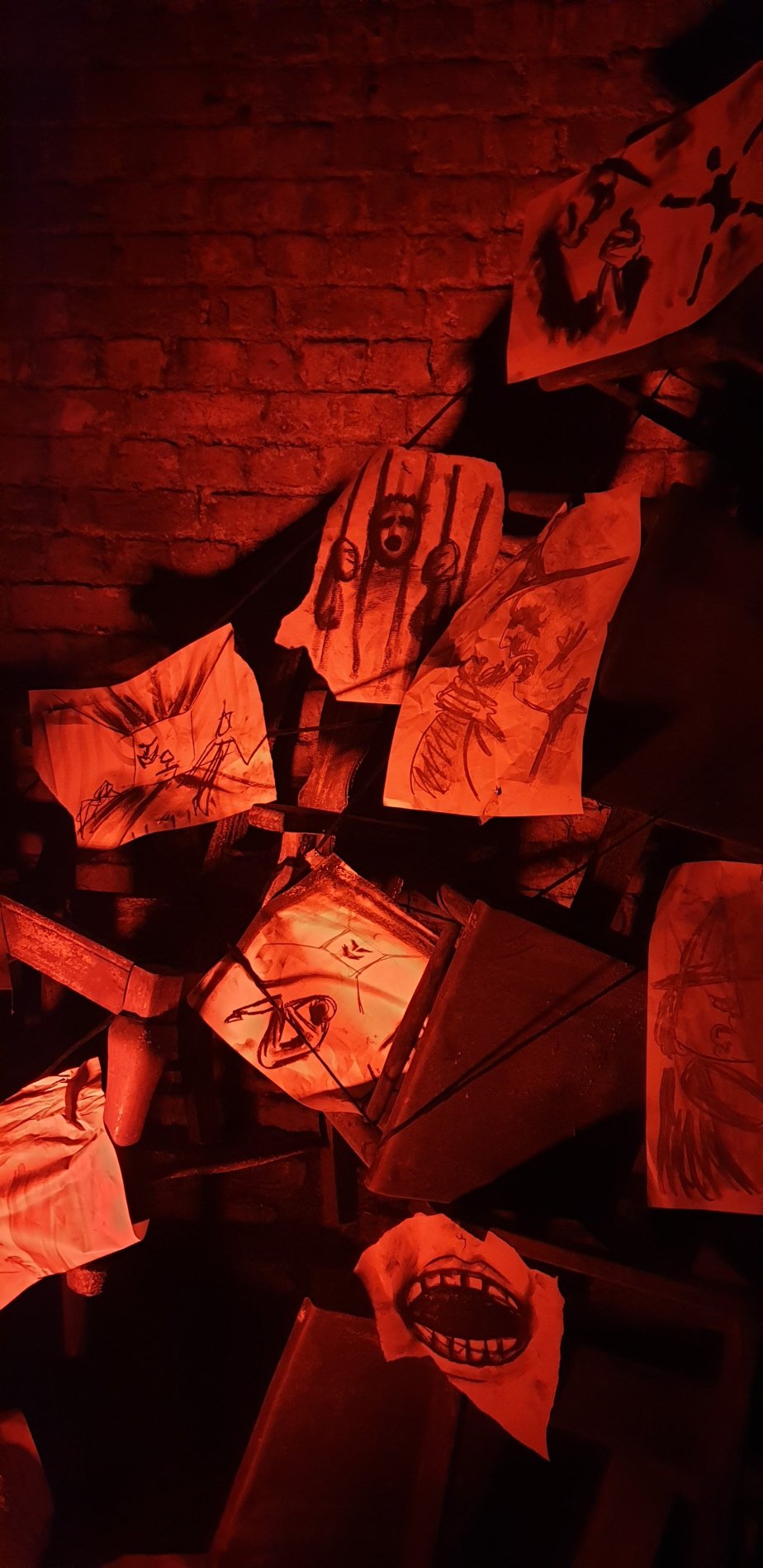
Saturday lunchtime is as good a time as any for a wander around a pitch black church crypt doubling up as a contemporary art museum and a mental hospital. Donning headphones and entering the exhibition Director Victoria Snaith is charmingly optimistic about the experience though does warn us all to not fiddle with the controls and watch our heads on the low arches in the gloomy but rather dreamy crypt.

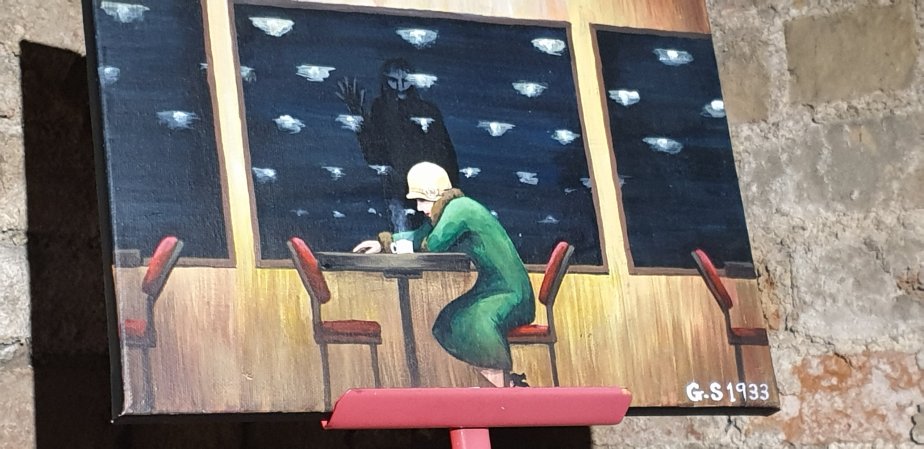
Wandering around the exhibition we learn about the fragile 1920s artist Gretel Sauerbrot and her alcoholic brother Hansel. It quickly becomes clear that these are two seriously damaged individuals but by WW1 or something more unworldly…even more unspeakably horrible? Are the clues in the art itself or perhaps in what we hear as museum recording and something more sinister start to overlap?

Things are going swimmingly so far with a delicious hint of impending dénouement and horror beckoning round the next dark corner. Then suddenly the mood fractures with the appearance of a rather unorthodox psychiatrist (Robb Wildash) who may well be an wandering patient- and if he isn’t he certainly should be. One should never introduce oneself with a description of how you castrated yourself in a forest and then attempt to medicate your stunned patients with skittles and lemon drops without checking if they are diabetic.

There are some moments of genuine discomfort and potential scare. However this is a piece of immersive theatre that sadly loses pace as it shifts from auditory storytelling into theatre. The room I was waiting for never materialized and I felt entertained but strangely cheated by never catching a real glimpse of the crazed and tragic Gretel in this thoughtful twist on the famous folk tale.

Dreadfalls Theatre. Manchester Fringe 5th-6th July 2019

TREE

Created by Idris Elba & Kwame Kwei-Armah

Directed by Kwame Kwei-Armah

Manchester International Festival

Upper Campfield Market Hall

Tree certainly helped to get the party vibe going at the launch night of MIF19. Walking into Upper Campfield Market Hall the club night was in full swing. The huge stepped circular stage and runway platform were filled with dancers and audience members. There was a real energy and dynamism in the space that was coming from the audience as well as the performers. So far so good as this production has had it’s fair share of bad press this week with very measured and detailed statements from writers Tori Allen-Martin and Sarah Henley who worked on the project until last year claiming to have been unceremoniously kicked off. Co-creator and Director Kwame Kwei-Armah seemed to want to take the project in another direction and these women are now uncredited for their contribution.

So what does Tree actually have to say in its tale of personal loss and the bloody history of South Africa? Influenced by the loss of his father in the same year as the death of Nelson Mandela, his filming of Mandela: Long Walk to Freedom and making his album Mi Mandela Idris Elba was inspired to create a piece of musical theatre. The subsequent end result, working closely with Director Kwame Kwei-Armah blends drama, music and dance as a young mixed race Londoner travels to South Africa to place his mother’s ashes by his father’s grave. Tree is an attempt to confront the ghosts of a fractured family history while also seeking to reconcile with the turbulent history of this complex country.

Through conversations with the living and dreamlike sequences watching history play out below him Kaleo delves into the tragic origins of his parents love affair and the bitter outcome of that love during Apartheid. Theatre blends with riotous dance that spills of the stage as audience participation is encouraged during riot scenes and celebratory dance scenes. There is a lot to like in this piece which has a strong cast including Sinéad Cusack, Alfred Enoch and Patrice Naiambana and it is beautifully staged. The tech team of Jon Clark, Paul Arditti and Duncan McLean have done a wonderful job of lighting, sound and projection which make for something quite special.

The story told is not new or unique but it is clearly personal to many who lived through or are still living in the shadows of South Africa’s past and forging a new and fairer society. Sadly that is where I have issues with Tree as in the enthusiasm to embrace so much the central characters are never fully fleshed out. These creations deserve more respect and fleshing out to fully understand the complexities of living through Apartheid. This still feels like a young sapling rather than a mighty oak. Hopefully it will grow and develop the strong roots that this ambitious project was clearly striving for.

Upper Campfield Market 4-13 July 2019

Young Vic 29th July- 24th August 2019

Images credit Marc Brenner

ONE NIGHT IN MIAMI

Written by Kemp Powers

Directed by Matthew Xia

HOME

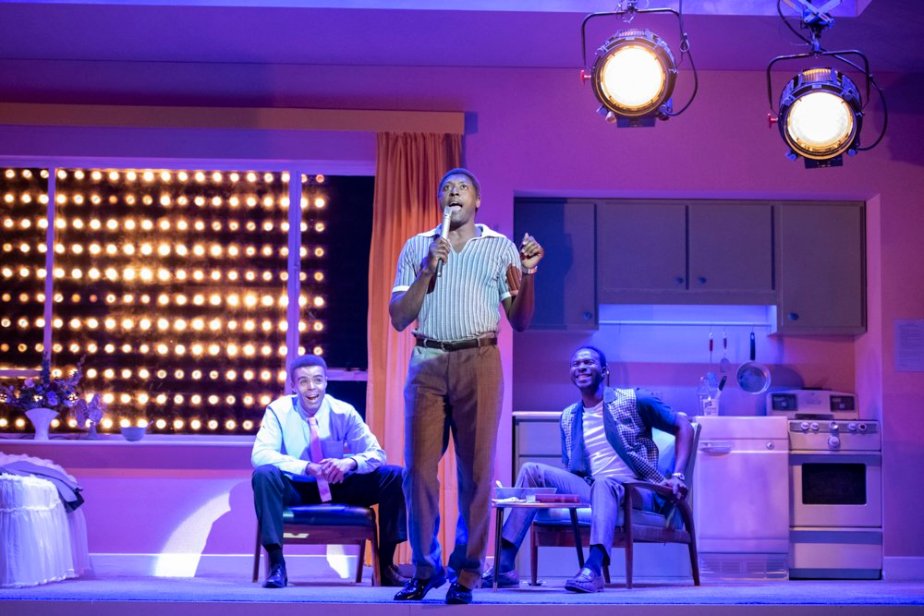
This play is a genius idea by Kemp Powers. One Night in Miami literally locks the audience into Room 12 of a Miami motel on February 25th 1964. We watch 4 old friends chat about politics and life as they celebrate the success of the new World Heavyweight Boxing Champion. It’s quite a night to behold as the four friends are King of the World boxer Cassius Clay, soul singer Sam Cooke, NFL supremo Jim Brown and political activist Malcolm X. We are flies on the wall watching and listening, as are the FBI and the Nation of Islam while outside amongst the palm trees the Press are also gathering. There is only Joe Brown left alive to say exactly what did transpire that night, but Kemp has created something that feels authentic. Offering a glimpse of these men in the midst of private struggles and uncertainty that are played out alongside the thrills of public success and the darker themes of repression and segregation in Sixties America.

Designer Grace Smart has created a capsule motel room that effectively boxes in the four men as they talk privately but also works wonderfully well in recreating a boxing ring and an Auditorium stage. Lighting design by Ciarán Cunningham and sound by Max Pappenheim enhance the experience and help create the standout moments such as the boxing scene and when Sam Cooke sings. The neon sky and palm trees vividly contrast against the plain decor of the motel room, creating a perfect backdrop to the ordinary and extraordinary events unfolding in that room.

The characters on stage are vividly portrayed by the cast with fervour and passion. At times they are so full of life that the dialogue risks them becoming caricatures of themselves. Conor Glean as Cassius fizzes with energy, giddy with his success but increasingly wary of what his imminent conversion to Islam will mean. Miles Yekinni brings depth and strength as Brown as he contemplates a move from sport to the movies as a “Black action hero”. Christopher Colquhoun is convincing as the impassioned activist who clearly carries a heavy burden and is wrestling his own fears and demons.

The standout performance is Matt Henry as Sam Cooke who moves between confidence and assured charm and his fear of what may happen to his hard won success if he does indeed change his style and use his music to do more than just entertain. I would happily pay again just for the moments when he performs – he brings down the house as he brings his “Sister Flute” to his explosive rendition of You Send Me. As the play draws to a close and he tries out his new song A Change Is Gonna Come, Henry is simply sublime. Director Matthew Xia creates a moment when it truly feels like witnessing something intensely personal and genuinely moving as though we too are hearing this musical masterpiece for the very first time.

HOME 2nd – 5th July 2019

Images by Richard Hubert Smith

Miss Julie

Alice Frankham as Miss Julie and Danny Solomon as John. Credit – Ed Rees

Written by August Strindberg

Translated by Michael Meyer

Directed by Jake Murray

Hope Mill Theatre

August Strindberg wrote this naturalistic masterpiece in 1888, back then it was considered so shocking to Swedish audiences that it could only be performed privately. Raw and incisive Miss Julie cuts through gender and class politics in a manner that was astounding for its’ time. It retains much of its shock value even now as class divisions and gender stereotypes continue to resonate. Servant Christine despairingly remarks how can you respect “your employers when they’re no better than us – what’s the point of trying to improve ourselves?” A bitterly poignant moment as we are on the verge of electing an utterly graceless buffoon as our next Prime minister.

Director Jake Murray allows a strong cast to embrace this vibrant play and sink their teeth into all the mess of emotions and aspirations without losing the complexity and nuance of each individual on stage. Overplayed or in the hands of a less deft director, Miss Julie is a play that could descend into histrionics but here each character is allowed to develop as intended.

Alice Frankham as Miss Julie exudes a persona of cool, imperious beauty and privilege but gives free reign to her character’s wild impetuous nature. Her mercurial nature is never overplayed into histrionics ensuring that even a modern audience can understand her desperation and vulnerability as she tries to be true to her nature despite the constraints of her class and gender.

Danny Solomon as valet John is mesmerising as he flits between suave professional upstairs servant, downtrodden but aspirational farm lad, hopeful lover and brutish misogynist. He creates a raw horror as he cowers from the power of the servants’ bell before coolly handing Miss Julie his cutthroat razor as her only way out of disgrace.

Lois Mackie as Christine is the steadying force in this drama bringing a wonderfully dry wit to all her reflections. Her weary cook is a pragmatic and calm foil to the emotional turbulence unfolding around her. The frantic aspirations of escape from the constraints of class and gender are calmly brushed aside by a woman who accepts her role in life and seeks comfort in respect and in her faith.

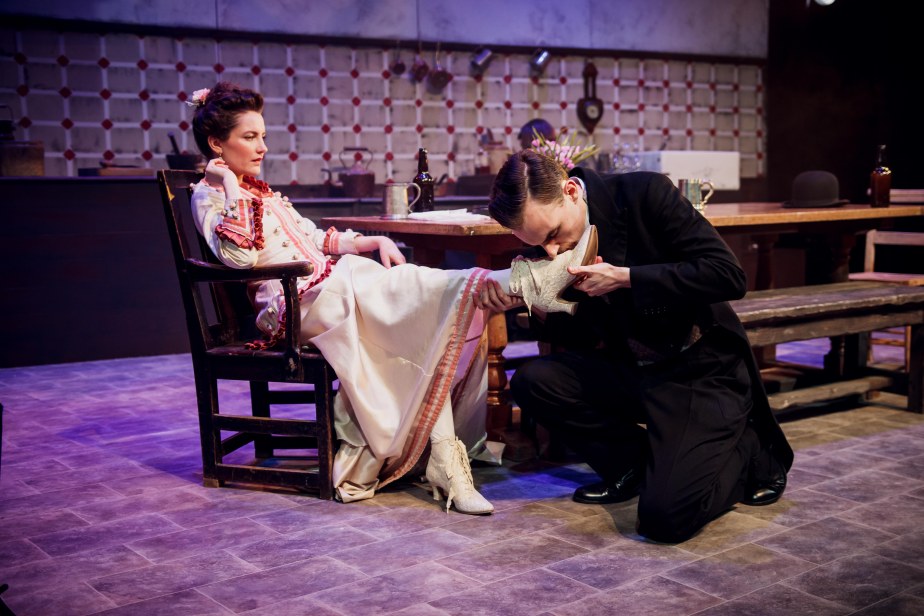
This is a thoughtfully staged production with a really keen eye to period detail. The ensemble support from students at ALRA North and Arden School of Theatre adds a lovely touch as they mingle and greet the audience as though we too are part of the Midsummer celebration. The set by Louis Price creates a really authentic Edwardian feel and makes the appearance of the glamorous Miss Julie even more incongruous as she wafts around the servants kitchen. This is another success story for Elysium Theatre Company who are steadily building a great reputation for creating strong productions such as last years Jesus Hopped The A Train. Miss Julie is a satisfying watch ending with a wonderful poignancy about the constraints we live by as the lights dim on the gilded birdcage on the table.

Hope Mill Theatre 18 – 22 June 2019

Elysium Theatre Company

Hobson’s Choice

Shalini Peiris and Esh Alladi in Hobson’s Choice. Credit Marc Brenner

Written by Harold Brighouse

Adapted by Tanika Gupta

Directed by Atri Banerjee

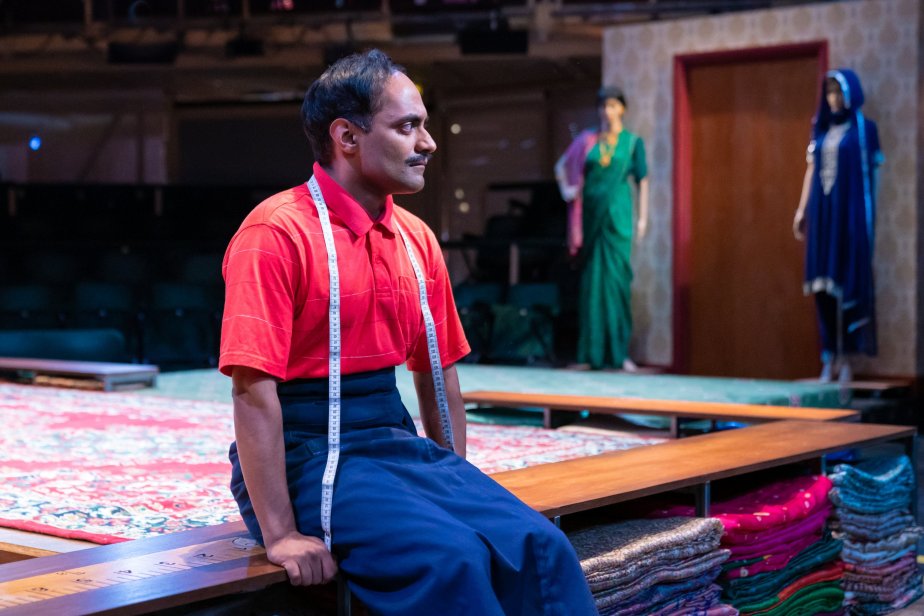
In this new adaptation of the 1915 classic, Tanika Gupta has moved the setting from a cobbler’s shop in Salford to a tailor’s shop that is vibrant with silk saris. Set in Eighties Ancoats, Hobson and his three daughters are Asian Ugandans who fled the regime of Idi Amin and have spent the last 15 years building a life and a business in the Britain of Ted Heath who had welcomed 30,000 refugees. Using sparkling dialogue and a clear understanding of the original Gupta honours the familial relationships established by Brighouse while ensuring that the societal themes remain fresh and current.

The set design by Rosa Maggiora blasts colour and a keen sense of detail into this production. Director Atri Banerjee brings a lightness of touch to this production insuring that the witty dialogue sparkles throughout. His experience at the Royal Exchange is evident in how he uses the space. He creates an intimacy and a sense of participation for the audience. Wedding favours are shared out during the interval creating a lovely sense that we are participants in the wedding celebration. The catwalk triumph of Asian Chic serves as a joyful finale and also as a celebratory parade of all the actors.

This is a really strong cast that brings an absolute authenticity to this production. We see young women wearing mini skirts and dancing in The Hacienda, rebelling against a father who tells them to “Live within your boundaries. It’s a Man’s World.” There is the destructive theme of racism from Enoch Powell’s Rivers of Blood speech that still resonates today. Hobson has slipped into alcoholism and his best tailor works for a pittance because he “is the lowest of the low”, staying because “Your Papa has my passport.”

Esh Alladi as Ali Mossop. Credit Marc Brenner

Esh Alladi is utterly engaging and believable as the shy downtrodden worker full of twitches and tremors. There is real delight in watching him grow in confidence from tentative bridegroom to a loving husband and a budding entrepreneur. Shalini Peiris as Durga Hobson is cooly decisive and resourceful. There is no self pity for her situation instead she ensures the best possible outcome for herself and her sisters. Peiris skillfully balances being both a funny and blunt force of nature with the delicacy and vulnerability of being a new bride on her wedding night.

Tony Jayawardena as Hobson gives a performance full of bluster, self-pity and patriarchal arrogance. He embodies a man living in complete denial who has slipped into alcoholism and is facing bankruptcy and the loss of his family. Even when Hobson is at his most outrageous Jayawardena still brings enough warmth and charm to his character that his daughter’s return involves residual affection and not just duty or ambition.

This new adaptation is a real success that brings the issues of intergenerational conflict, class snobbery, alcoholism and immigration into sharp focus while never feeling preachy or worthy. Over one hundred years since the original opening night, Hobson’s Choice remains relevant, engaging and thought provoking.

Royal Exchange 31 May – 6 July 2019

GRAND FINALE

Choreography and Music by Hofesh Schechter

Performed by Hofesh Schechter Company

HOME

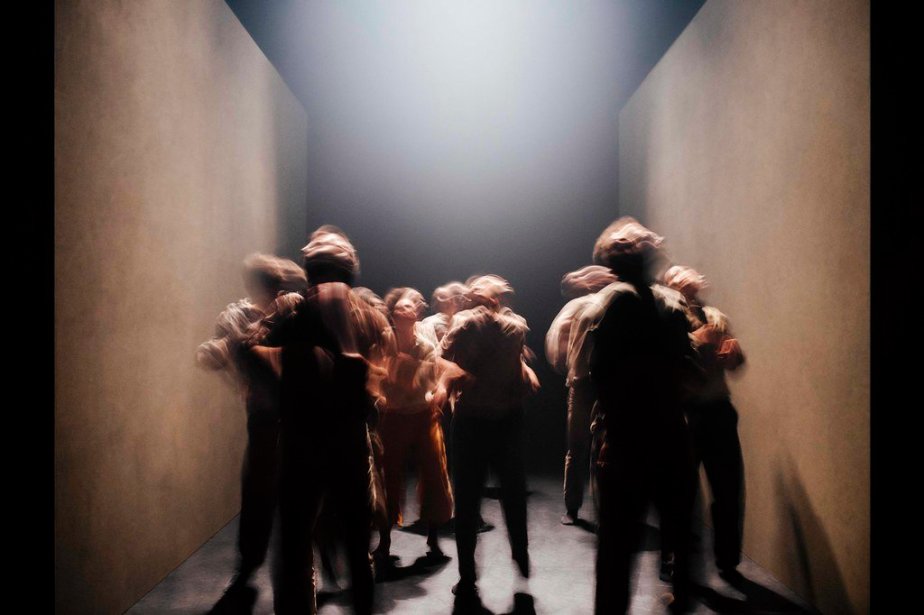
Hofesh Schechter has created a world both nightmarish and blissfully optimistic in Grand Finale. His latest work is defiant, mischievous and brutally beautiful. Part gig with a small orchestra onstage; dance and theatre merge with the same seamless fluidity that allows monolithic slabs to both create a sense of endless time and club land rave scenes. Grand Finale is both an anguished salute to lives lost in destruction and war, and two fingers held up to the doomsday predictors. The musicians are integral to the flow of the piece. Ever present though always on the move, they are formally attired and one even sports a life jacket as if to allude to the musicians who played on as Titanic sunk.

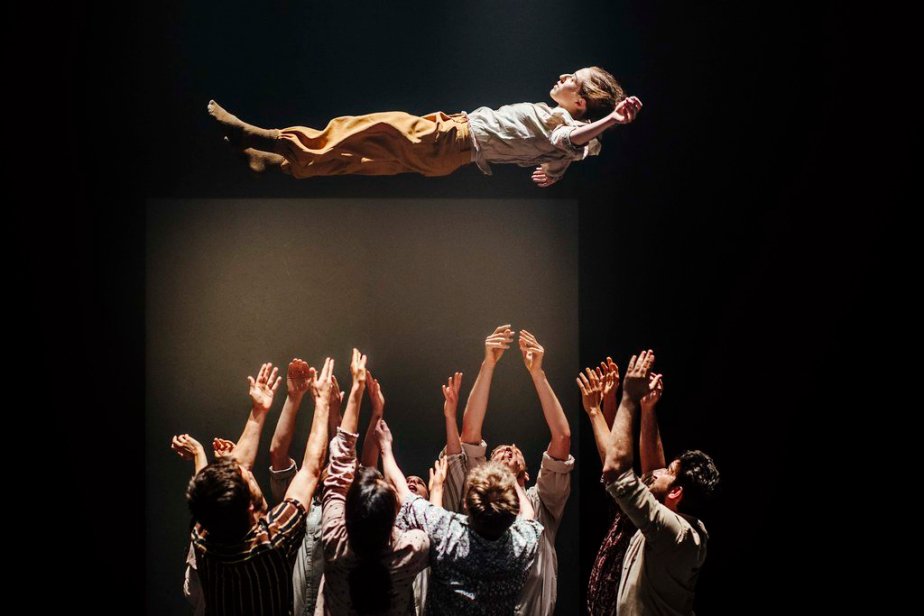
We can all dance to the same beat but sometimes we may hear a different unique beat in the same music and so we separate as individuals and respond in a myriad of ways. So it is with Grand Finale, Schechter’s dancers come together and replicate movements, their bodies harmonizing in unison and at another times they clash and jar with seemingly murderous intent.

Perhaps Schechters greatest skill is in how he uses dance and music as unifiers. There is a universal commonality in the throbbing beat that seems to connect with one’s own body – the movements you see on stage can feel as though they are simultaneously experienced in your own muscle memory. Moments from rave scenes feel intensely familiar then flow into Celtic dance or Maori Haka or riotous dance to klezmer music. This is modern yet ancient, ageless and current.

The blend of sound and light by Schechter and lighting designer Tom Visser is beautiful. Beams of light illuminate upturned faces as though kissed By the sun. Grey gloomy mist can signify Dawn or the dry ice of a nightclub. At other times it seems like there is the red dust of African plains which may be the fires of Dante’s Inferno. They are glorious playful moments as hundreds of bubbles drift down like snowflakes unto the battlefields of No Man’s Land at Christmas time. Here figures dance like marionettes and later with gay abandon to Franz Lehár’s Merry Widow Waltz as worries are cast aside culminating in a chilling end piece as a pile of bodies grows at the side of the stage and is silently saluted.

Scenes start to get smaller and more specific as they fragment into tableaux scenes that echo snapchat or Instagram poses. Figures embrace, party or pray as the dance slows down and the orchestra gets softer and starts to fade. Are these open mouthed figures aghast in horror or yawning with ennui as everything changes and yet still remains the same?

Grand Finale 22nd – 25th May 2019

Hofesh Schechter Company

Images by Rahi Rezvani

WHEN IT BREAKS IT BURNS

Created/Performed by ColetivA Ocupação

Directed by Martha Kiss Perrone

CONTACT

Moss Side Millennium Powerhouse

ColetivA Ocupação are the real deal in every sense. Performers, creatives, activists, educators who vividly bring to life their personal experiences of occupying their schools in São Paulo to protest the Brazilian government’s proposed decimation of educational resources in 2015/2016. They are full of exuberance and boisterous passion and their mantra is “to occupy is to resist.”

Massing in the garden courtyard of Millennium Powerhouse the audience is suddenly led into a gym hall where chairs are scattered through the space and some are already occupied. Music, lighting and the intensity of the seated performers ramp up the sense of unease and palpable tension. As the action flares up it is clear that this is no easy ride sitting in a theatre observing a performance. The choreography ensures the audience members are in the thick of the action and occasionally at physical risk of the odd bruise. This is an intense immersive experience that feels utterly authentic and at times genuinely both scary and exhilarating.

Recreating what it was like to scale the walls Diadama School in 2015 they create a human wall which each triumphantly scales. As an audience we get to witness their excitement, their bravery and their fears as police surround the schools and many are dragged off. These were children, young people chasing police intimidation, beatings and tear gas. As they later talk to us in small groups recalling personal experiences it is clear that these vibrant young people have lived through life-changing experiences.

The sheer physicality of this performance and its riotous risk taking evokes passion and sheer admiration at its bravery and its hope. As we are moved off chairs and jostled as they creates barricades and banners these performers are setting alight a real desire to harness that youthful passion and make change happen. Whether it is in schools in Brazil or it is Environmental protests across the world…

Let’s occupy the schools. Let’s occupy the streets. Let’s occupy the theatres. Let’s occupy everything.

CONTACT 8th/9th May 2019

ColectivA Ocupação

Part of Resistance in Residence, a British Council programme.
A collaboration between Contact and Transform.
Made with support from Casa do Povo, Forma Certa and Converse.
Supported by British Council and The University of Manchester.
Image credit: Mayra Azzi

ONE

Bertrand Lasca and Nasi Voutsas

HOME

Two men. A very tall ladder. A conundrum. This is of course the return of Bertrand Lesca and Nasi Voutsas as they return to HOME with ONE, the final part of a trilogy that includes the brilliant EUROHOUSE and PALMYRA. Polarisation, provocation and dogged resolve are continuing themes, played out with their particular brand of disturbingly dark clowning and winsome charm as they invite collusion from the audience. We have choices. It’s clear. We can literally throw shit at each other, remain paralyzed in time or we can take a leap of faith together and hope in a better future.

As with their previous work Bert and Nasi use elements of what maybe their own personal relationships with each other to make provocative statements about contemporary politics. A Frenchman and a Greek who met in Scotland their work is especially resonant in our world of Brexian madness. With Nasi up a very high ladder and Bert at the bottom pleading, cajoling and finally becoming threatening, I’m starting to feel worried and rightly so. I’m worried about Nasi and Bert. I’m worried about relationships in general. I’m worried about the Northern Ireland border. I’m worried about Brexit. I’m worried about world peace… Nasi is still up the ladder. Bert is playing Imagine by John Lennon. Bert is imploring the audience for assistance.

Finally they sit at either end of a table. They could be a couple trying to resolve their differences at the kitchen table or they may be politicians in a boardroom either way there is both a reluctance to engage or to walk away.The push-pull of a relationship at breaking point is being played out and the ramifications of what will happen if one of them leaves or stays brutally apparent. Bert’s message is clear – I can leave but if I do I won’t be silenced I will be a thorn In your side. I will not just disappear.

Lesca and Voutsas are masters of their art. Their sense of comic timing, pathos and charm are reminiscent of another age – and double acts like Laurel and Hardy, yet their work is sharply focused on modern issues. With a skillful use of simply staying in a moment of stillness to create a protracted discomfort or ramp up tension, they create complex productions with the apparence of absolute simplicity.

Their childlike bickering has the sinister undertones of politicians shouting each other down in parliament. As they invite the audience to collude as in previous shows we can choose to encourage an act of destruction, stay in a cycle off unremitting paralysis or take a leap of Faith and engage in the possibility of a better future. It would of course seem like a no-brainer but three show in for them and no sign of a Brexit solution for us, then like Nasi and Bert I’m still hopeful but I’m getting tired too.

HOME Wed 8th – Fri 10th May 2019

Bert and Nasi

RICHARD III

Written by William Shakespeare

Directed by John Haidar

Shakespeare’s tale of the “undigested and deformed lump” that is his Richard III is considerably tweaked in this version by John Haidor for Headlong. Here we see a man more emotionally stunted than physically restricted by his disability. Tom Mothersdale delivers a Richard whose twisted body is as fluid as his nature is mercurial. The hall of mirrors that dominates the set serves as judge and jury to Richard’s lack of conscience and reflects back to the audience as a means of drawing us into this tale of political greed, narcissistic ambition and false news.

Mothersdale manages to repulse and charm in equal measure. His capacity for brutal acts and honeyed words is that of a true sociopath or charming manipulator. Moments of visceral violence as he bites his victims with the suddenness of a deadly spider sit uncomfortably alongside humour as he mischievously addresses the audience close up or prances with a makeshift crown like a gleeful child ransacking the dressing up trunk. For all his cunning and remorseless violence there is the vulnerability of a child who recognizes his mother is ashamed of his twisted body and repulsed by his twisted nature. Director Haidar ensures that we see this wounded child who has long ago decided that if he cannot have the love and admiration of others, he will command their hate and fear. Mothersdale captivates throughout in what is a truly demanding role. Rarely off stage he is never less than electrifying especially in the second act when demented by jeering ghosts he sees his fleeting success melt away on the battlefield. Bloodied and mud stained he smears mud across the reflected ghosts as if to wipe out any hint of his own wrongdoings.

Chiara Stephenson has designed a set that is gloomy and forbidding in its grey ramparts and dungeons but cut through with reflective mirrored archways. These arches allow actors to move rapidly between scenes while also creating depth to the set as the ghosts appears behind them and the audience is reflected in them looking at ourselves just as Richard examines himself in these multiple looking glasses.

Haidar makes use of every possible dramatic element that can be drawn from this gothic castle. Stony grey yet pulsating with life and bloodied by death this is a building that echoes its history in every mirrored arch reflecting lives once there and now just ghosts in the fabric of the building. The use of light and sound by Elliot Griggs and George Dennis provide striking flourishes that give the murders and battles scenes slashes of colour and sound that evoke video game violence- perhaps to suggest Richards own childlike lack of awareness of the real consequences of his actions. If at times elements appear overplayed or exaggerated they encapsulate Shakespeare’s original exaggeration of the real man. Whether you love it or not the impact of the attention seeking design elements and directorial flourishes are as in your face as Richard himself.

This feels a very fresh and timely revisiting of Richard III. There is a truly monstrous quality to this character in his relentless quest for political power. The wily cunning off an ambitious man who exalts in having neither pity love or fear is a chilling reminder of some of our politicians who make decisions for us based on their own fragile narcissistic egos and lust for power. Like Richard they strut across the world stage daring us, the audience, in how much we will allow them to destroy before we revolt and them down. Personally there are quite a few political anti heroes I would love to see buried under a carpark in Leicester!

Headlong

HOME 30 April – 4 May 2019

Images by Marc Brenner

West Side Story

ROYAL EXCHANGE THEATRE

Directed by Sarah Frankcom

Initially conceived by Jerome Robbins in 1949, WEST SIDE STORY finally arrived on Broadway in 1957. A resounding hit, it was made into a movie in 1961 and has remained an iconic and groundbreaking musical ever since. New versions are in production for Broadway and cinema, but the first big production to makes changes to the choreography and score is this Sarah Frankcom version.

Based on star-crossed lovers Romeo and Juliet, this tale of thwarted love amidst gangland violence and knife crime is as horribly relevant in modern British cities as it was in 1950s Manhattan. It speaks so vividly of young people adapting to their burgeoning independence in a world where they may struggle for acceptance. This tale of gangs is evergreen in that it perfectly depicts the human quest for social identity. We all seek a sense of belonging and to affirm this we adhere to an in group which might be family, social class, a gang or a football team. To increase self esteem we discriminate against the out group, the more prejudice and seperateness then the greater enhancement of self image. The beauty and the tragedy of this has resonated throughout the ages and in every culture. In my teenage years it was Catholics and Protestants in Northern Ireland where boys were knee capped and girls tarred and feathered if they dared to fall in love with someone outside their religion.

The set design by Anna Fleischle is all clean stark lines of white steel and glass, like possible staging for A Clockwork Orange. Although beautiful in a minimalist manner it initially seemed too cold for this tale of passion. There is no context or sense of location which is disconcerting yet highly effective as a potent reminder that this story is ongoing – here in the theatre and outside in every town and city.
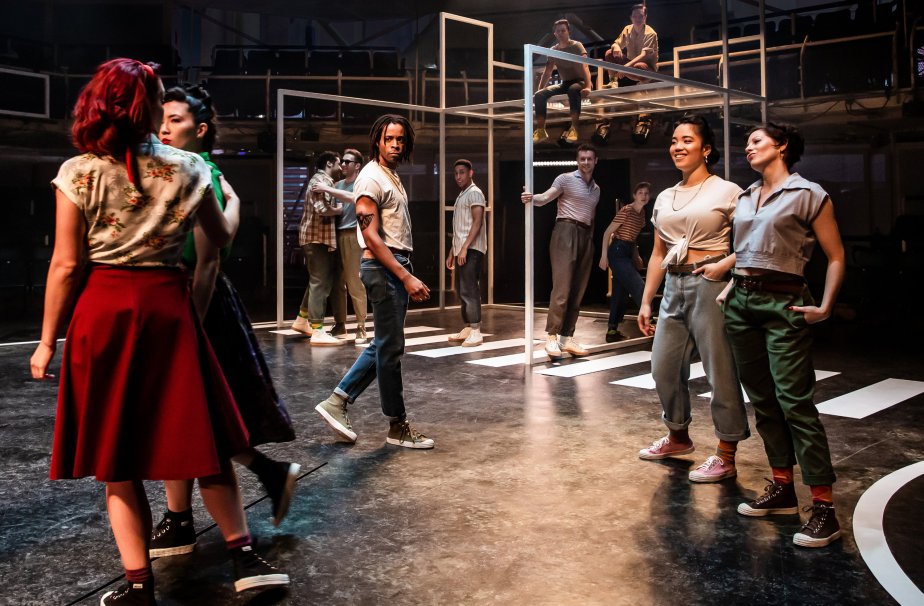
This set also works brilliantly with the new choreography by Aletta Collins. She has kept the beauty of the original but adapted it for the round stage and added a fresh athletic element that sees the performers really use the multi levels of the set with cat like grace and agility so there is almost an element of Parkour in the choreography.

Jason Carr has ensured that the music really is the star of this production with an orchestra concealed outside the theatre itself delivering a glorious version of Bernstein’s score. Every note seems flawless and crystal clear as though the orchestra was actually centre stage.

The cast exude the confidence and youthful exuberance of teenagers with a lust for life and a casual disregard for the brutal reality of death until tragedy actually strikes. There are some great vocal performances. Gabriela García as Maria has a pure soaring operatic vocal while Andy Coxon as Tony has a rich warm voice which grows in confidence throughout the show. Gang leader Riff Michael Duke is a powerful dancer but it is his lover Anita, Jocasta Almgill who steals the show. A brilliant singer and dancer, it is also her stage presence which ensures she exudes both passion and compassion.

The central protagonists Coxon and García have do have great chemistry as the lovers torn between two worlds. The love scenes are full of tenderness and the reckless passion of teenage hormones. The rumble scenes and resulting deaths are impactful and exude horror and regret at the wasted young lives. The overall feel of this production is that it is a beautiful and lovingly crafted yet I left feeling curiously flat. Perhaps as Maria says It’s not Us, its everything around us, the knowledge that our young people appear destined to keep repeating the same mistakes in an unyielding world.

Royal Exchange Theatre 6 April – 25 May 2019

Images by Richard Davenport: The other Richard