A Long Day’s Journey into Night

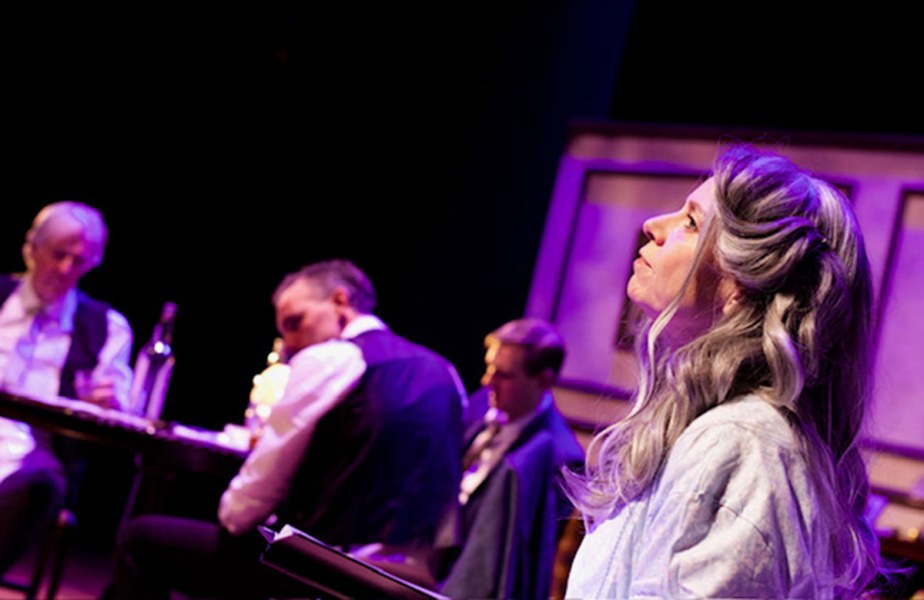
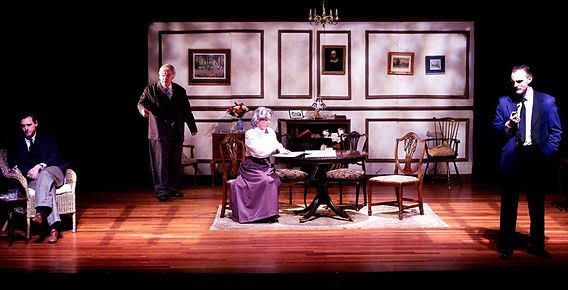
The cast of Long Day’s Journey Into Night. Image credit: Elysium Theatre Company

Written by Eugene O’Neill

Directed by Jake Murray

The Empty Space, Salford

There are family dramas and then there is Long Day’s Journey Into Night, Eugene O’Neill’s monumental autopsy of love, addiction, regret and the peculiar violence families inflict while insisting they only want what’s best. In Elysium Theatre Company’s touring production, directed by Jake Murray this American classic is stripped back and painfully exposed like an angry, infected wound.


The setting may be a Connecticut summer house in 1912, but the emotional climate is timeless: stifling, storm-heavy and thick with the fog of things left unsaid for too long. Across one increasingly unbearable day, the Tyrone family circle each other like wounded animals, armed with whiskey, morphine, recriminations and a fragile nostalgia.
Murray’s production wisely trusts O’Neill’s text, so there are no gimmicks here, no attempts to modernise or shrink the play’s formidable emotional architecture. Instead, the direction leans into the work’s bruising humanity, allowing its rhythms of affection, accusation and self-deception to unfold with agonising inevitability.


The performances carry the evening’s considerable weight. Joyce Branagh has taken on this substantial and demanding role of Mary Tyrone at short notice, so performs script-in-hand. Despite this, she captures both the ethereal delicacy and terrifying evasiveness of a woman retreating ever deeper into morphine-fogged memory. She drifts through the household like a ghost rehearsing happier versions of herself, all soft smiles, fluttering hands and tremulous denial, while grief and petulant resentment leak through the cracks.
As patriarch James Tyrone, Edmund Dehn does balance bluster with buried shame of his impoverished past and its impact on his family. Beneath the penny-pinching pragmatism lies a man haunted by compromises and squandered artistic promise. The physicality of Dehn convinces but this is a performance that never seems to fully invest in his characters’ rich Shakespearean history to fully grab his role by the teeth and run with it.

It is Elysium stalwart Danny Solomon who dives headlong into his role as elder son, Jamie embracing the cynical and self-destructive character and weaponising dark humour against bitter despair. Daniel Bradford as Edmund has a  frail and searching quality. Based on O’Neill himself, Edmund becomes the aching conscience of the piece. Bradford does a good job handling all the monologues and flitting fluidly between Baudelaire, Shakespeare and Nietzsche. Macy Stasiak adds some much needed lightness and energy as Cathleen, the family maid.


What emerges most powerfully is the terrible elasticity of familial love. The Tyrones know exactly how to wound because they know exactly where the wounds already are.
The Empty Space proves an ideal venue for this chamber piece of emotional demolition. Its intimacy denies audiences any safe observational distance.


At nearly three hours, Long Day’s Journey Into Night demands stamina and an armchair but Murrays’ production understands that O’Neill’s play must feel uncomfortably long. The title is not decorative. This is a slow descent from morning optimism into nocturnal despair, where memory becomes both refuge and prison. The past, as O’Neill reminds us, does not stay politely behind us. That said, the production ran over and that is problematic in such a lengthy piece where theatrical goodwill may start to be as watered down as the family whiskey.


A  compassionate and earnest revival that honours the grandeur of O’Neill’s masterpiece without ever losing sight of its ordinary human heartbreak.
Tour Dates

Long Day’s Journey Into Night

HOME, Manchester

Written by Eugene O’Neill

Directed by Dominic Hill

This is co-production by HOME and Citizen’s Theatre of Eugene O’Neill’s semi-autobiographical and Pulitzer award winning play. Director Dominic Hill has shaped an exquisitely raw study of a family trapped in the throes of addiction and regret. Written in 1942 it covers one fateful day in the life of the Tyrone family as they acknowledge the hopeless reality they exist in and the ways in which they each seek to escape their pain. As younger son Edmund reflects, Who wants to see life as it is, if they can help it? Each one of them is a shadow of their original selves, consumed by their addictions and in Edmund’s case; quite literally by tuberculosis.

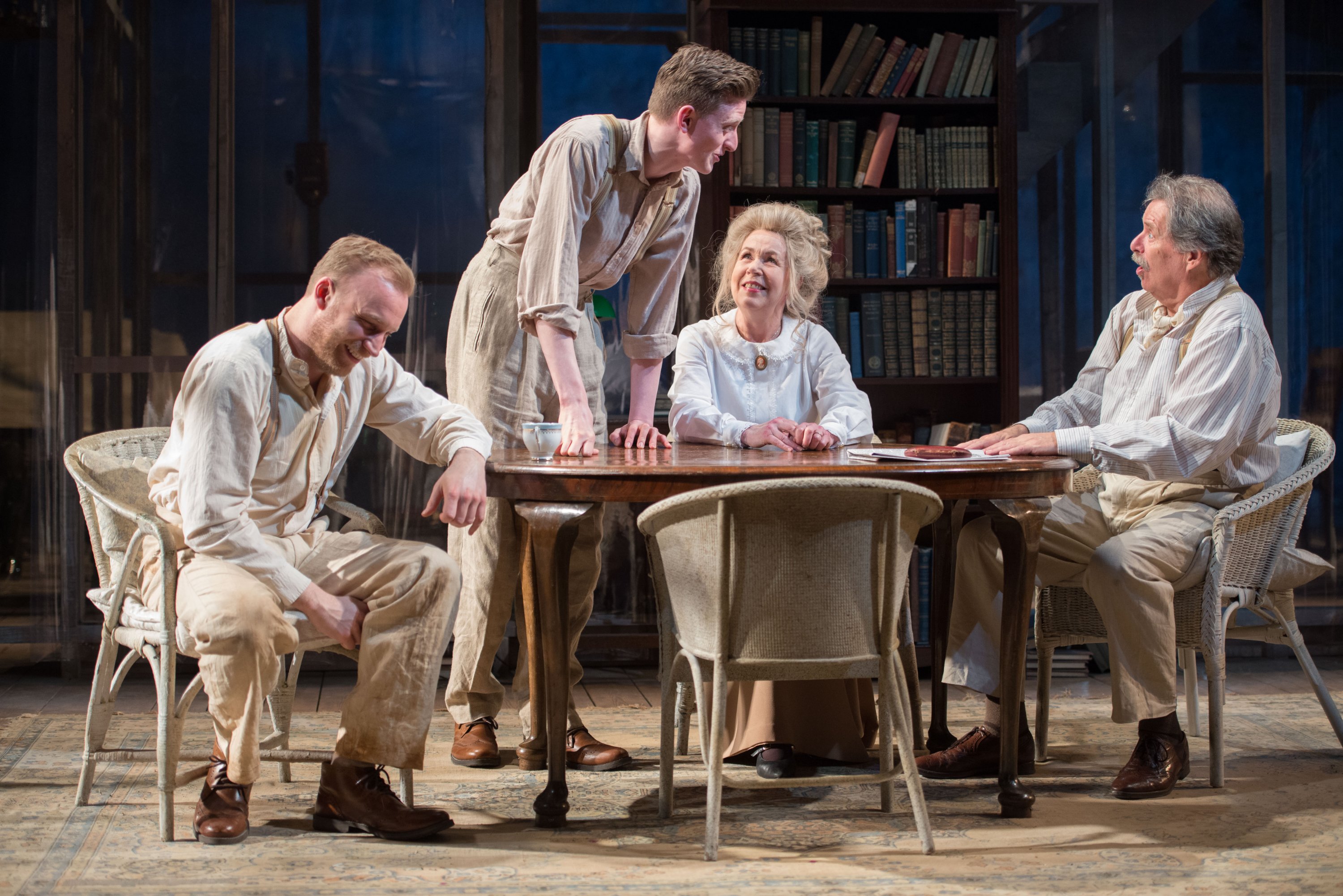
Tom Piper has created a haunting and deeply evocative set for this production. It is the bare exposed bones of a house reflecting the exposed failings and regrets of the family. It looked unfinished like the framework of a house where the architects plans got lost or waylaid and no one had the skills or temerity to try to fill in the gaps. In a similiar fashion Mary Tyrone is such a childlike wraith she has never fully grasped her role as a homemaker, wife or mother. The foggy opaqueness of the walls echo the transparency of this family’s lies and excuses. There is nowhere to hide and as the projected sounds of restless movement or conversation echoes from rooms further back in the house, it feels like the audience has no choice but to eavesdrop just like the family do.

The design of the house also echoes the theme of the fog which prevails throughout the play. It is a potent signifier of the ways in which each of the family seek to lose themselves from reality in a fog of alcohol or morphine or memories. As Mary reflects how I love the fog, it hides you from the world…… No one can find you or touch you any more. Tellingly it is the foghorn she hates, a blessed beacon of safety for some, but for her a wretched call back to reality.

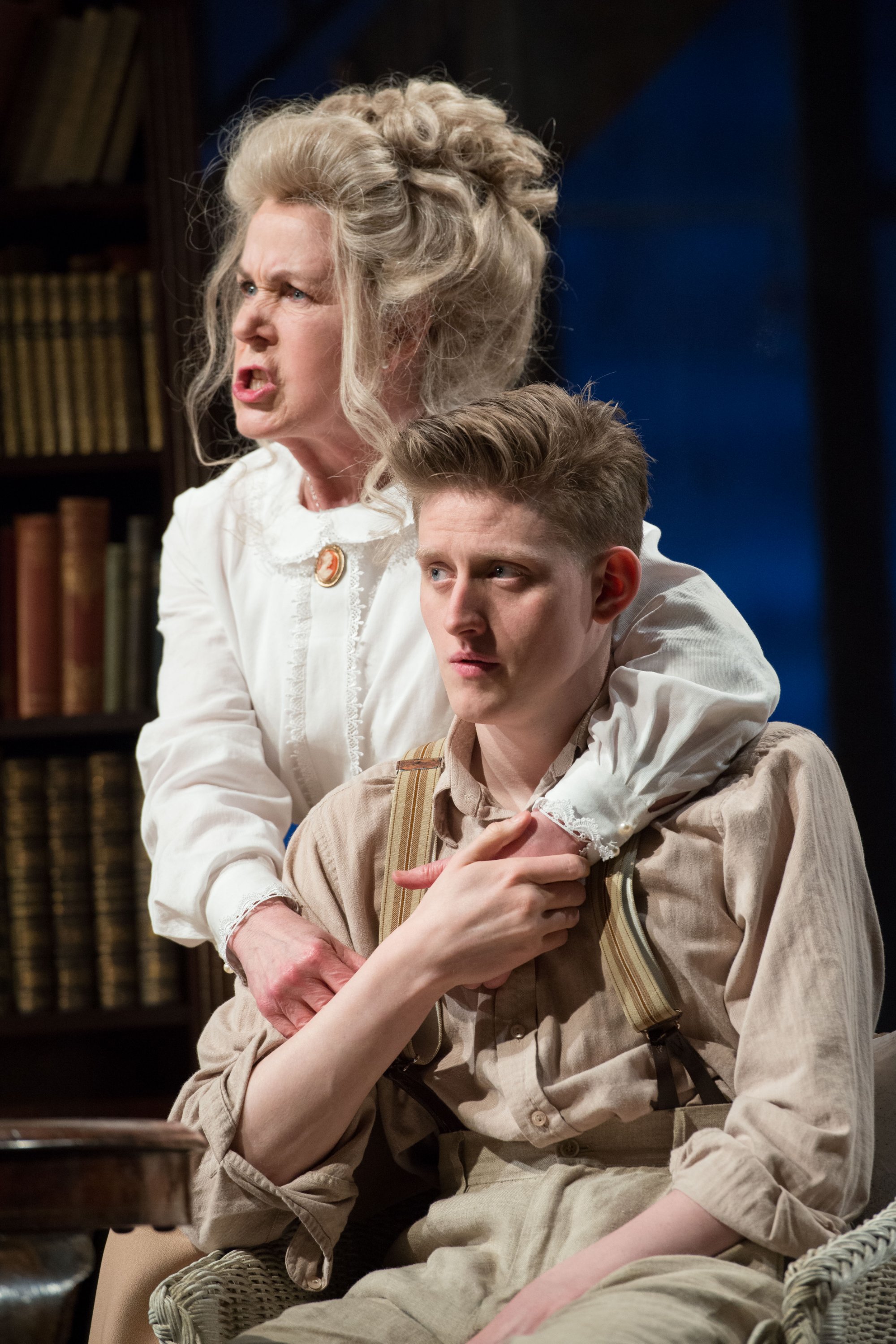
It is the profoundly narcissistic Mary who dominates the play with her desperate neediness and appalling insensitivity to the feelings and needs of her family. Bríd Ní Neachtain embodies the essence of this fluttering morphine addicted waif. She is girlish and gay or plaintive and rueful, then flits into prickly, resentful and defensive. Her performance brings alive every facet of a women who was spoilt and cosseted by her father and husband, but who has been disappointed by marriage and family life and aging. This lying dope fiend is at times truly a fiend as she deflects her own shortcomings unto her family. One son is cruelly scapegoated for the death of her middle son while the youngest gets no comfort when diagnosed with consumption but is vilified and blamed for making her worry and therefore need her morphine fix. Yet this performance by Nì Neachtain also evokes pity for this once pretty and talented young women who has become an aging embittered addict.

George Costigan does a warmly, upbeat James who desperately hopes that each trip to the sanatorium for his wife will bring a permanent cure, yet who quickly moves to defeated and despondent as he is disappointed once again. An actor who gave up artistic success for financial security, yet is trapped as his lifelong fear of penury and the poorhouse mean he cannot enjoy his wealth. Costigan fills the role, perfectly evoking James’s Irish background from the Irish Famine and poverty while delighting in his passion for Shakespeare and his boyish glee as he opens yet another fresh bottle of whisky. He also brings the meanness of an unpredictable drunk who can be despicable to his boys one minute while hugging them the next.

Sam Phillips as Jamie is a beautiful wasted drunk who has learned to be wily and full of self pity and excuses from his addict parents. The true degree of family damage is surely in his final scenes with brother Edmund when he chillingly warns his brother against himself The dead part of me hopes you won’t get well. Lorn MacDonald as Edmund is heart rending as he is in denial about his health and when the worst is confirmed he realises that no one in the family is equipped to support him. Wheezing and glistening with tears and spittle his performance is haunting and raw. This family emotionally flay each other through the course of this long day and MacDonald displays every moment of pain on his pale, anguished face. The only truly cheery spirit is the maid, a lively Dani Heron who is not contaminated by the family dynamics and is happy to join her mistress in a whisky.

This is such a bleak insight into addiction and co-dependency in a family and O’Neill was writing about his own family as the only one still alive. It reminds us all of how the echo of past family stories define the present and often the future. It was one of the last plays he wrote before becoming unable to write due to Parkinson like symptoms affected his hands. There is a brutal irony when he describes his mother’s trembling hands in the play and in recalling her drug addiction at a time when his own wife was also an addict. As Mary says The past is the present, isn’t it? It’s the future too. This is a family who need to cling on to their tragedies in order to justify their failures.

It speaks as clearly today as it did when first published of the destructive impact of addiction and unresolved grief. Performed in Glasgow and now in Manchester it is doubly pertinent today as both are cities with drug problems and a growing issue of homelessness. As James relates his fear of the poorhouse it is a sobering reminder that in Britain today there are no longer even poorhouses just pavements.

HOME 10 – 26 May

Images by Tim Morozzo